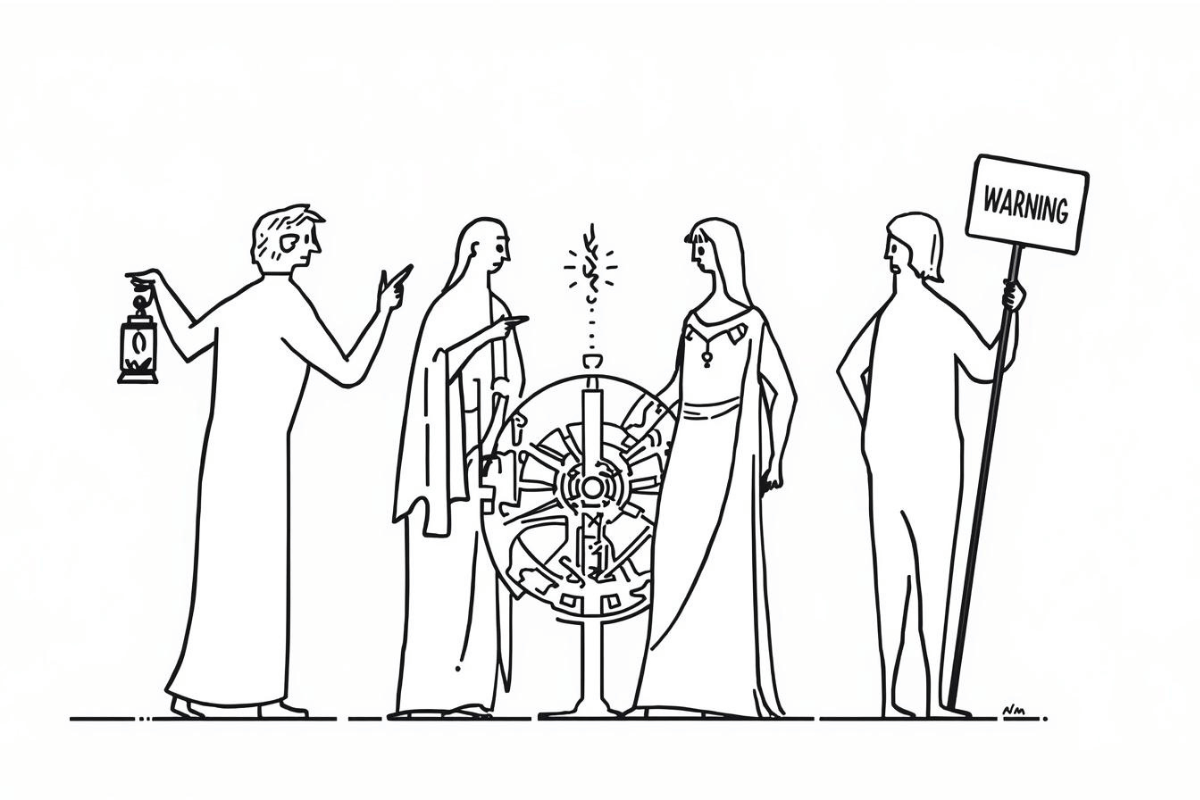
Online advertising often fails for a simple reason.
The article introducing the offer is written in the wrong style.
Experienced publishers quietly rotate several proven advertorial structures that guide readers from curiosity to action.
Understanding these structures explains why some advertorials keep readers moving while others stall before the message begins.
Most people assume online ads fail because the offer is weak. However experienced publishers know something different. Often the offer is fine. The real problem is the article style used to introduce the offer.
Direct response publishers rarely rely on one type of article. Instead they use several proven structures, and each one speaks to readers in a different psychological way. Over time, these structures keep campaigns fresh and prevents audiences from tuning out the message.
Four structures appear again and again in successful paid traffic campaigns. Understanding these four styles helps explain why some advertorials quietly outperform others.
1. The Discovery Article Framework
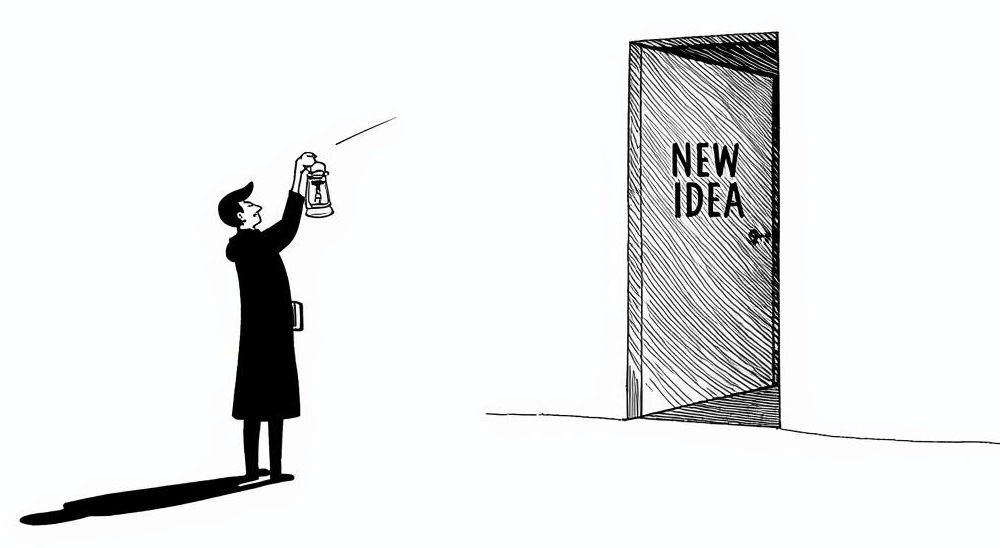
Discovery articles reframe a familiar problem.
The discovery article begins with a problem the reader already recognizes. However, the writer introduces a new explanation that most people have not considered. Readers feel as if they are encountering a new idea rather than hearing a familiar argument.
For example, a discovery article about websites might begin with a familiar assumption: many businesses believe they need more traffic. But the article then takes an unexpected turn and offers a different explanation, revealing that the real problem may be timing or attention rather than traffic.
From there, the article explains the idea clearly and introduces the tool or method that solves the problem, leaving readers with the feeling that they have uncovered something truly valuable.
2. The Contrarian Challenge Article
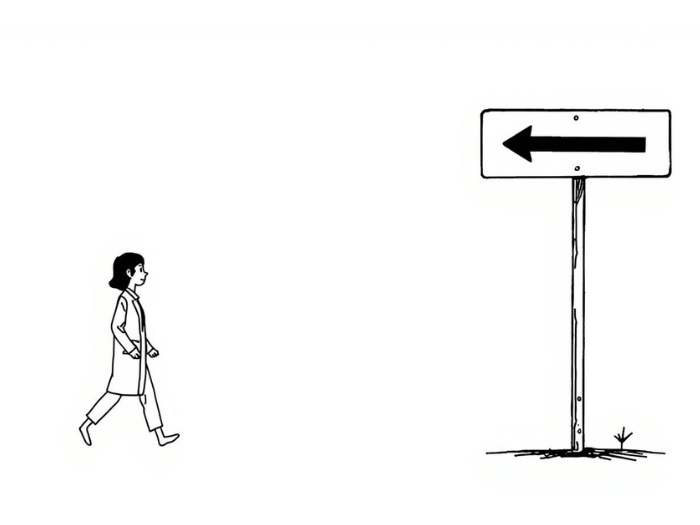
Contrarian articles question the direction everyone else is taking.
The contrarian article begins by challenging a widely accepted belief, causing readers to take notice when a confident voice questions common advice. The writer then explains why the popular belief is incomplete or misleading.
For example, marketing advice frequently tells businesses to focus on social media growth. A contrarian article might argue that social media growth is rarely the real issue. Instead, the article shows how weak messaging or poor positioning quietly prevents businesses from turning attention into customers.
Because the argument challenges common wisdom, readers become curious, and they continue reading to understand the reasoning. When done well, the contrarian article creates a feeling of insider knowledge, causing readers to feel they have stepped behind the curtain.
3. The Mechanism Focused Article

Mechanism articles look under the hood to explain how something works.
The mechanism article focuses on explaining a specific process that causes a problem for the reader. Instead of discussing broad ideas, the writer introduces a clear mechanism that influences behavior.
For example, many website visitors decide whether to stay or leave within a very short period of time. Some marketers refer to this moment as the seven-second decision. First the writer explains the behavior that drives this decision. The writer then shows how the reader can influence that behavior and apply the insight in real situations.
Readers appreciate this style because it feels logical and practical. In addition, they see the cause of the problem and the practical steps needed to address it rather than vague advice.
Finally, the article introduces a tool or method designed to work with that mechanism. Because the reader already understands the process behind the problem, the solution feels natural and credible.
4. The Danger Risk Warning Article
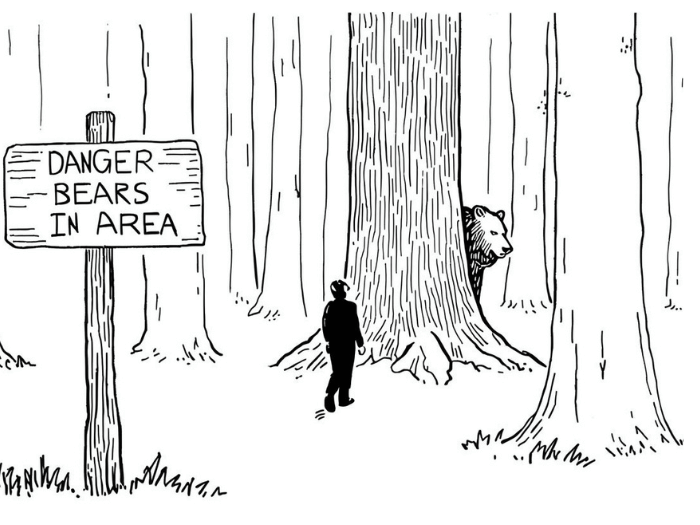
Warning articles reveal dangers readers may overlook.
The warning article opens with a problem many readers do not realize they are experiencing. The writer explains that a mistake may be quietly damaging results. The writer then provides examples or results that help readers recognize how widespread the mistake has become.
For instance, in a warning article the writer might introduce the problem by explaining that many websites lose visitors before they ever see the main message.
The reader begins to wonder whether their own website might be losing visitors before their offer appears. In other words, the problem may not be traffic at all, but the fact that many visitors leave before they ever see what the page is trying to say.
The warning article then explains why visitors leave so quickly. It shows how clearer messaging or better timing can keep visitors on the page long enough to see the key message. Warning articles attract the reader’s attention because people naturally want to avoid hidden problems.
Why Publishers Rotate These Styles
No single article style works forever because audiences change, platforms evolve, and even good messages eventually lose their impact if readers encounter them repeatedly.
Therefore experienced publishers use several advertorial styles rather than relying on only one approach.
One campaign may begin with a discovery article. Another may challenge common advice through a contrarian argument or explain the issue through a clear mechanism.
Each structure approaches the same topic from a different angle. This variety keeps the message from becoming predictable and helps maintain the reader’s attention. Because the article introducing the offer frequently determines whether the reader continues or leaves.
In Summary
Many businesses focus heavily on the product or the advertisement itself. However, the article that connects the advertisement to the offer often determines whether the message succeeds.
When the structure of the article fits the audience, readers stay engaged long enough to understand the problem and see the solution. When the structure fails, readers often leave before they ever see the offer.