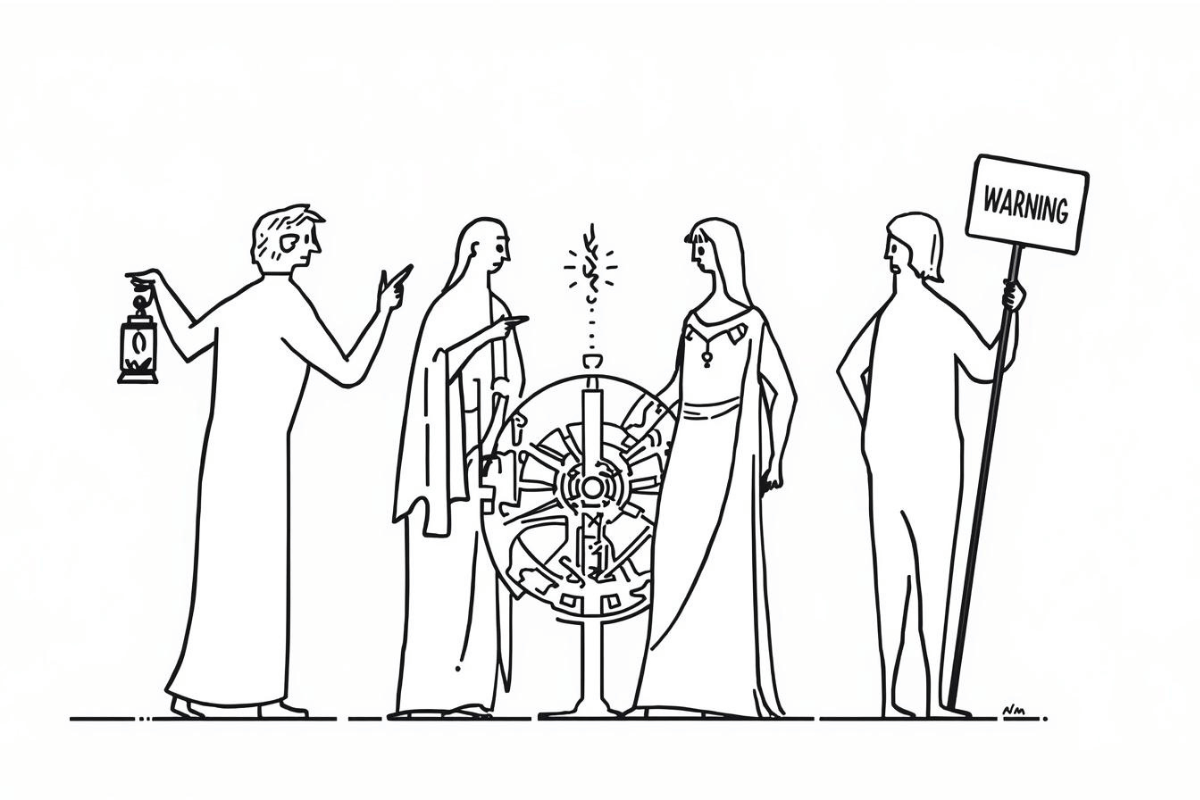
Why So Many Builders Never Get to Keep What They Build
Most people think the danger in modern platforms is failure. I do not. In my experience, the real danger is being successfully pulled apart. Builders are quietly pulled into trends, urgency, reaction cycles, and performance pressure. Not because they are weak — but because they never learned how to stand in one place long enough to build something that could actually last.
I have seen talented people break not from lack of ability, but from never learning how to remain whole while working inside systems that are designed to keep them moving. This is where my position begins. Control is lost for the same reason explained in Why Permission-Based Online Systems Always Change.
What “Position” Means When You Are Inside the System
Position is not branding, personality, or tone. It is not how you look or sound — it is where you stand in relation to the systems you use. It answers questions most builders rarely stop to ask: am I building something of my own, or merely feeding other systems? Am I acting with intention, or being moved by pressure?
In permission-based systems — platforms, marketplaces, algorithms — position is rarely visible at first glance. But it determines everything that follows. Two people can use the same platform. One becomes stable over time, while the other becomes exhausted. The difference is not effort. It is position.
The Long-Term Cost of Letting Platforms Decide How You Build
Platforms are not neutral tools. They are businesses. They are designed to extend attention, multiply outputs, and accelerate cycles. None of that is evil, but it creates a constant gravitational pull toward doing more, faster, louder, and shorter. And if you do not choose where you stand, you will be moved.
The platform does not need to attack you. It only needs to keep you moving. Movement without orientation eventually becomes fragmentation. You may still be productive, but your work begins to lose cohesion, depth, and long-term direction.
How Good Work Gets Quietly Broken And How to Prevent It
I do not fight platforms, and I do not withdraw from them either. There is no rebellion in my intentions. I simply refuse to let the system determine where I stand. Instead of asking how to win inside a platform, I ask where I must stand so that my work remains whole while using it.
That shift changes everything. It moves a builder from performance into placement. From chasing reactions into building structure. From noise into something that can actually carry weight.
Three Signs You Are Losing Your Position
When I see builders unravel, it almost always begins quietly. One of the earliest signs is when work becomes focused mainly on reaction instead of accumulation. When your output is designed primarily for clicks, applause, or shares, nothing compounds. Nothing deepens. Nothing remains useful when attention moves on.
Another sign is changing direction too often to let anything mature. Every trend looks like opportunity. Every slowdown feels like failure. But structure requires stillness long enough to form. Position allows patience to become productive instead of passive.
The most dangerous sign, however, is when pressure becomes internal. When the platform no longer needs to push because you are already pushing yourself — posting when unclear, producing when exhausted, optimizing before understanding.
When urgency becomes internal, position has already been lost.
What I Build Instead
I do not build “content.” I build artifacts. Artifacts are work that remains useful beyond their moment, independent of daily attention. They can stand alone, carry meaning, and continue functioning even when no one is actively promoting them.
A guide that stays relevant. A framework people return to. A reference that compounds. A system that simplifies rather than multiplies. Position determines whether your work becomes noise or structure — and structure always outlasts noise.
How I Use Platforms Without Being Used by Them
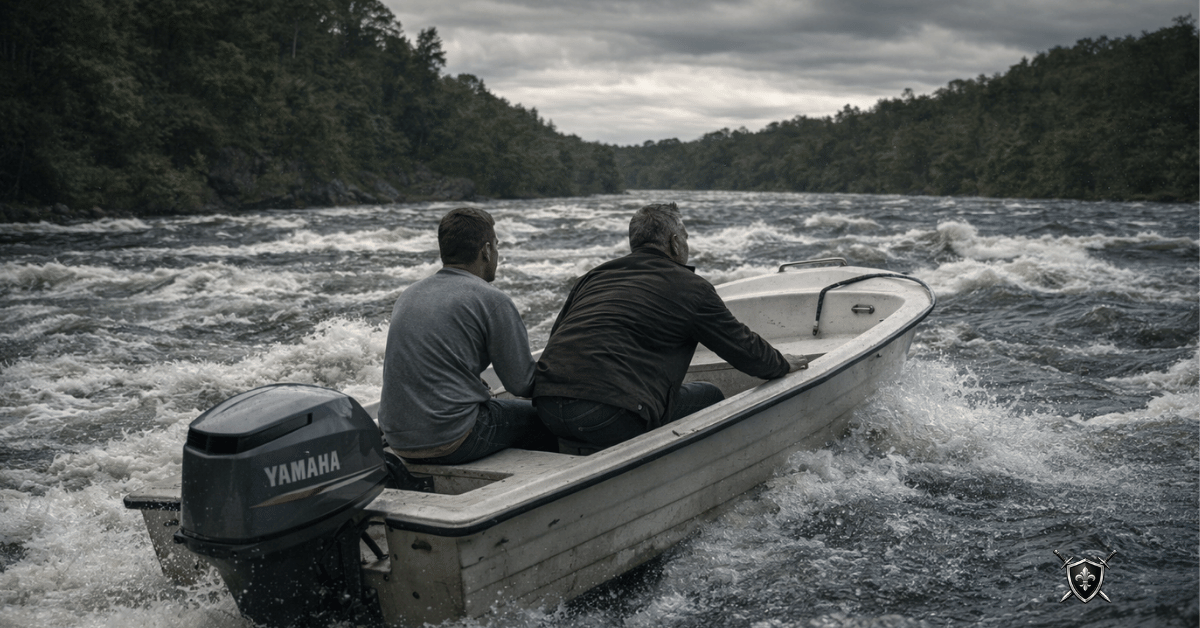
The platform becomes a river I cross, not a current that carries me. I use it as a tool, not as a compass.
I still publish. I still distribute. I still use the system. But I do not define myself by performance, and I do not let visibility replace value. I do not allow reaction cycles to replace direction.
The Calm Builder and the Pulled Builder
Over time, a clear difference emerges between calm builders and pulled builders. The calm builder builds slowly, thinks structurally, moves deliberately, and finishes things. The pulled builder rushes constantly, changes often, produces endlessly, completes little, and feels perpetually behind.
Both may look equally busy from the outside. Only one becomes stable.
Position Is Not Speed — It Is Integrity
Integrity here stands for solidity. It means wholeness. My work fits together. My direction makes sense. My decisions reinforce each other instead of undoing each other. This is the rarest advantage a builder can have — not talent, not hustle, not reach, but integrity of direction.
Standing Without Withdrawing
I do not retreat from modern systems. I stand within them without dissolving into them. That is my position. Not isolation. Not dependence. Not rebellion. But grounded participation.
This is how builders last. Not by out-running the system, not by defeating it, but by refusing to be reshaped by it.
The Knight’s Take
“The strongest position is not the one that gets the most attention. It is the one that allows your work to remain whole long enough to matter.”
This idea fits into the Knight’s approach to building work that lasts.
→ Read: The Knight’s 8-Step Framework For Building An Online Business