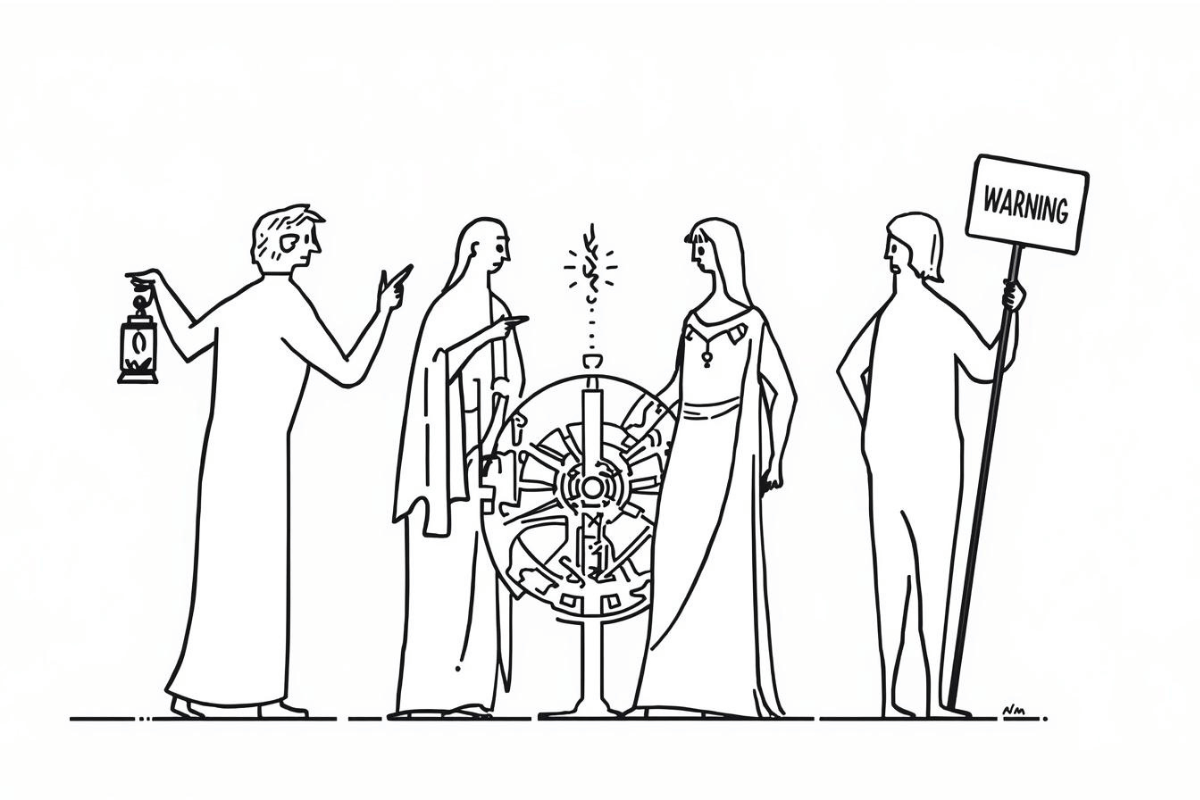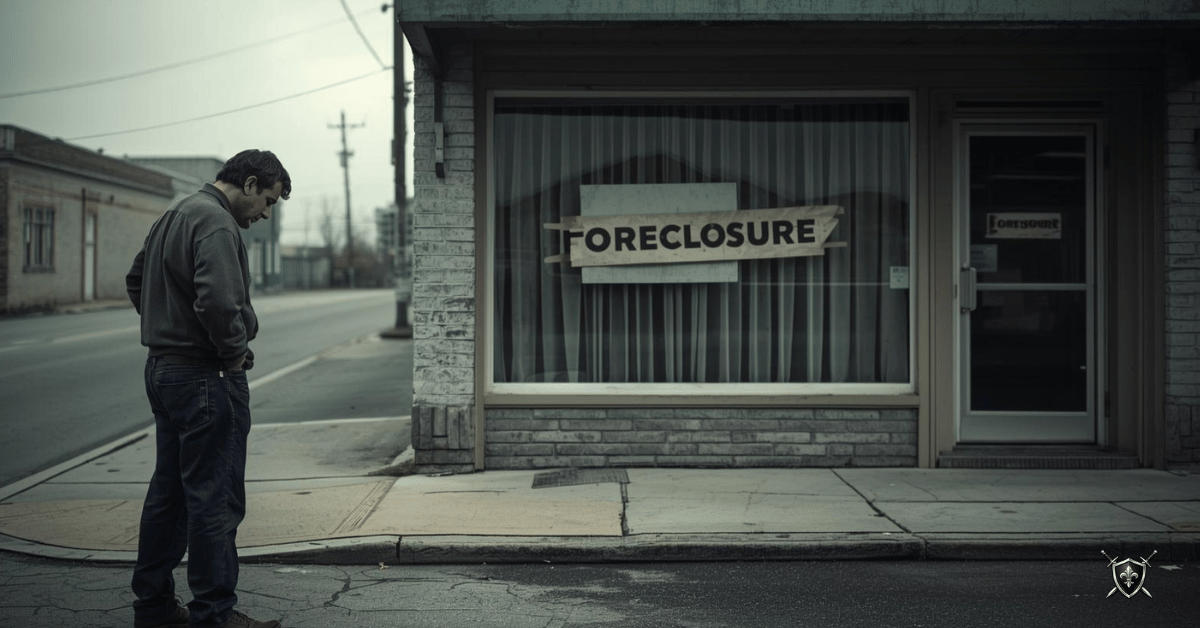
I listened as a builder spoke about losing something that could not be replaced—A decade of work.
He had built slowly and with care — articles, guides, systems, lessons — the kind of work people returned to because it made sense and helped them move forward. It lived on a platform that felt permanent at the time, a place everyone trusted. Then one day, without warning, the rules changed. The platform restructured. Old content was buried. Links broke. Visibility vanished. And with it went ten years of carefully built knowledge, now unreachable to the very people it was meant to serve.
There was no scandal. No public failure. Just a quiet disappearance.
That is when I understood something most builders never see until it happens to them: if you do not own the place your work lives, you do not truly own the work itself.
There comes a point for every serious builder when the question changes.
At first, most people ask how to grow, how to reach more people, how to use tools better, how to move faster. But after watching enough good work disappear when systems shift, the question becomes quieter and far more important: what must I actually own if I want my work to last?
Because in modern systems, effort alone does not create stability. And visibility, no matter how large, does not guarantee continuity.
Stability comes from ownership — not in the legal sense, and not in the ego sense — but in the structural sense.
Why “Having a Following” No Longer Protects Builders
When I speak about ownership, I am not talking about hoarding assets or controlling people. I am talking about continuity — the ability for your work to continue functioning even when conditions change.
Ownership means your work does not vanish the moment a platform adjusts, a policy shifts, or attention moves somewhere else. It means there is something that remains, something that carries forward regardless of whether the system is favorable that week or not.
Most builders are not failing because they are doing the wrong things. They are failing because they are doing the right things in places they do not own. It begins the moment a business is allowed to live entirely inside a platform.
The First Failure Platform Shifts Expose: Borrowed Audiences
Borrowed reach is not the same as real connection.
If the only way people can find you, hear from you, or interact with your work is through a platform’s permission, then you do not truly have an audience — you have temporary access.
Owning your connection means you can reach your people without asking another system for permission each time. It means there is a direct line between you and those who value your work, whether through a list, a community, or a structure you control.
This is not about marketing tricks. It is about whether your relationship with your audience belongs to you — or to the system that introduced you.
Why Most Builder Work Disappears the Moment the System Moves
Not all work accumulates value over time.
Some work disappears the moment it is consumed. Other work deepens, strengthens, and becomes more useful the longer it exists. Builders who survive system shifts are not producing more — they are producing differently.
Compounding work includes things like guides, frameworks, references, and systems that people return to because they remain useful beyond the moment they were created. These are artifacts, not posts. Structures, not noise.
If your work cannot stand alone without constant promotion, it is not yet working for you — you are working for it.
The Advantage Most Builders Can Secure: A Place That Does Not Move

Every builder needs a place that does not change when platforms do.
Not a profile. Not a feed. Not a page inside someone else’s ecosystem — but a home base that remains yours regardless of trends, rules, or algorithms.
This is where your work lives, where your audience gathers intentionally, and where your value is preserved without distortion. It does not have to be large. It does not have to be perfect. It only has to be stable.
Without a place that does not move, every shift in the system feels like a threat instead of a transition.
Why Platforms Will Never Give You What They Cannot Preserve
This is not because platforms are cruel or dishonest. It is simply not their role.
Platforms are built to distribute, not to preserve. They are built to circulate attention, not to protect continuity. They serve movement — and movement, by nature, does not settle.
Expecting a platform to provide what only ownership can give is like expecting a road to become your home. Roads are for passing through, not for building a home on.
When you understand this distinction, frustration turns into clarity.
What Changes When Builders Finally Own What Matters
When you own your connection, your work, and your place, platforms stop feeling like threats and start behaving like tools again.
You no longer panic when reach fluctuates, because your stability does not depend on weekly performance. You no longer chase every shift, because your foundation is not moving with the tide.
You can use systems without being owned by them. You can cross rivers without being carried away by currents.
And that is what real independence looks like in modern systems — not isolation, not rebellion, but grounded participation.
Knight’s Take
“Builders do not survive system shifts by moving faster. They survive by owning what does not move.”
This idea fits into the Knight’s approach to building work that lasts.
→ Read:The Knight’s 8-Step Framework for Building an Online Business