A small story about something critical that went dark
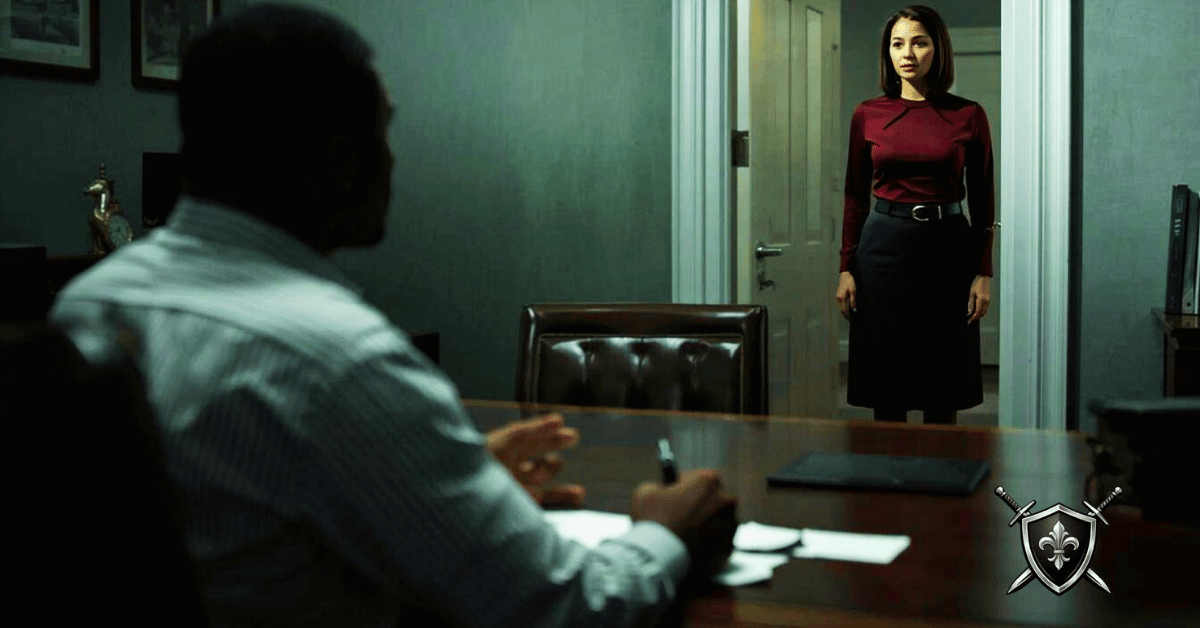
Larry was sipping his coffee and reviewing notes for a presentation when Miss Sheldon appeared in his doorway — pale, steady, but wrong in a way that made him look up at once.
“Larry,” she said quietly, “we can’t get into the Danfield account. We’ve tried all morning. Support says it’s not recoverable.”
He waited for the part where this turned into a fix. It didn’t come.
“They won’t release the data either,” she added. “Not the campaigns. Not the records.”
Larry set the pen down slowly. Seven years of work lived in that account — and so did the money.
His house payment. His contracts. His lifestyle.
“So what does that mean?” he asked.
Miss Sheldon met his eyes.
“It means the business just went dark.”
“Most collapses happen in places we assumed were permanent.”
What Larry actually lost
Larry did not lose his ability to build. He did not lose his experience. He did not lose his understanding of his market. What he lost was the place where his business lived.
Everything that made the business function — operations, records, relationships, and revenue paths — existed inside a system he did not control. When that system closed its doors, the business closed with it. The skills remained. The structure did not.
“You can lose a building without losing the builder.”
Why this happens so often
Larry did not think he was storing a business. He thought he was using a service. He logged in every day. The numbers appeared. The contracts flowed. So the business felt present — and present things feel owned.
But access is not ownership. It is permission. And permission feels permanent… until it is revoked.
“What you can enter is not always what you control.”
Why backups would not have saved him
Even if Larry had downloaded files, it would not have restored the business. A business is not just documents. It is systems, permissions, workflows, integrations, and authority. Those do not survive a simple export.
Backups preserve data. They do not preserve custody. Larry did not lose files. He lost control. This only makes sense once you understand why permission-based online systems always change.
“You can copy files. You cannot copy a system.”
The deeper mistake
Larry’s mistake was not technical. It was architectural. He allowed the center of his business to exist entirely inside someone else’s system — without building a version of it on ground he controlled.
When the platform disappeared, there was no second structure standing behind it. Not because he was careless, but because he never imagined the platform itself could disappear.
“Most collapses happen in places we assumed were permanent.”
The real lesson for builders
“When the foundation is borrowed, the business can be carried away.”
This story is not a warning about platforms being bad. Platforms are useful. The warning is about leaving the core of your work where you do not own the doors.
Your business should be able to lose a platform without losing its center. If losing access to one system ends your work, that system was not a tool — it was your foundation. And foundations should never belong to someone else.
“A tool may be borrowed. A foundation must be owned.”
How to build so this never happens
Use platforms, but do not live inside them. Let them move traffic. Let them host activity. Let them amplify reach. But let your business itself live somewhere you control — where records, relationships, identity, and continuity remain intact even if every platform disappears tomorrow.
When you build this way, platforms become helpful instead of dangerous.
“Use the river, but build on the shore.”
:
Knight’s Take
“A builder can survive losing tools. He cannot survive losing custody.”
This idea fits into the Knight’s approach to building work that lasts..
→ Read: The Knight’s 8-Step Framework For Building An Online Business